


I spent decades doing cardio for my heart. New research made me rethink my exercise plan… starting with what I was doing for my brain.
The Moment That Changed How I Train

For most of my life I thought cardio was the best exercise I could do for my health. Aerobic classes, spin, jogging … all good for the heart. I was honestly a little afraid of weights. Convinced I’d bulk up.
Then my father, a professor of medicine at the University of Florida, said something that put my mind to ease. He told me my odds of aging well were better than my mother’s. Because of my exercise habits.
I hadn’t connected any of it to my brain until that moment.
Looks like I was also missing a bigger lever.
What Is BDNF, and Why Should You Care? 
BDNF stands for brain-derived neurotrophic factor. Think of it as fertilizer for your brain. A molecule your nervous system uses to grow new neurons, strengthen connections between existing ones, and protect against cognitive decline.
BDNF is most concentrated in the hippocampus, the region of your brain responsible for memory, learning, and emotional regulation. Research has linked lower BDNF levels to memory loss, cognitive decline, and an increased risk of neurodegenerative diseases including Alzheimer’s.
The good news: exercise raises BDNF. The more important question is which exercise raises it most.
What is BDNF?
Brain-derived neurotrophic factor (BDNF) is a protein that supports the growth, maintenance, and survival of neurons. It plays a central role in learning, memory, and long-term cognitive function. Physical exercise is one of the most effective ways to increase BDNF levels naturally.
What the Research Actually Found

A 2022 systematic review and meta-analysis published in Frontiers in Aging Neuroscience analyzed 39 randomized controlled trials involving more than 2,000 participants. Researchers ranked five types of exercise by their ability to raise BDNF levels in both healthy and non-healthy populations.
The ranking, from most to least effective:
- Resistance training
- High-intensity interval training (HIIT)
- Combined training (strength + cardio + balance)
- Aerobic training combined with resistance training
- Aerobic training alone
Resistance training ranked first and the effect was statistically significant. All five types of exercise produced better outcomes than no exercise at all. But resistance training produced the most meaningful improvement in BDNF levels across the board.
Why Resistance Training May Have the Edge
The mechanism is worth understanding because it changes how you think about every workout.
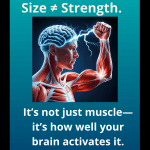
When your muscles contract against resistance, they release signaling molecules — including a protein called cathepsin B — that can cross the blood-brain barrier and stimulate BDNF production directly in brain tissue. Your muscles and your brain are in active conversation. Every rep is part of it.
Resistance training also stimulates IGF-1 (insulin-like growth factor), another molecule that supports hippocampal volume and neuron survival. Research suggests that loss of muscle mass over time correlates with declining IGF-1 levels — and declining cognitive function. Preserving muscle may be one of the most direct investments you can make in long-term brain health.
What This Means Specifically for Women Over 50
The research included both healthy and non-healthy populations across a wide age range. The conclusion held across groups: resistance training produced the most significant BDNF response.
For women in their Second Act, this matters for two reasons beyond the brain research itself.
First, estrogen plays a role in BDNF regulation. As estrogen levels shift in perimenopause and menopause, BDNF levels may decline alongside them. Exercise — particularly resistance training — may help offset some of that shift.
Second, muscle mass naturally declines with age in the absence of resistance training. That decline is not inevitable. It is trainable. And based on the muscle-brain signaling pathway described above, preserving muscle may protect more than your strength. It may protect your cognitive capacity too.
What This Looks Like in Practice
The study recommends moderate intensity resistance training — which means you do not need to be training like an athlete to benefit. The research supports accessible, consistent effort over heroic but unsustainable programs.
 Resistance training includes any movement where your muscles work against a load. That can be:
- Free weights — dumbbells, kettlebells, barbells
- Resistance bands
- Cable machines
- Bodyweight exercises — push-ups, squats, planks, glute bridges
- TRX or suspension training
Three days a week at moderate intensity is enough to make the conversation between your muscles and your brain worth having. You do not need a gym. You need resistance, consistency, and enough effort to feel it working.
My Perspective
I am not a neurologist. I am a researcher’s daughter, sister and mother, whom take evidence seriously, a founder who formulates products around what the science actually supports, and a woman who has been lifting weights for long enough to feel the difference.
The fear that weights would bulk me up kept me away from resistance training for years longer than it should have. What I know now is that the conversation my muscles were having with my brain during all those cardio sessions was incomplete.
It is more complete now. And I train differently because of it.
Frequently Asked Questions
What is BDNF and why does it matter for brain health?
BDNF (brain-derived neurotrophic factor) is a protein that supports the growth and survival of neurons. It plays a central role in memory, learning, and protection against cognitive decline. Higher BDNF levels are associated with better cognitive function and reduced risk of neurodegenerative disease.
What type of exercise increases BDNF the most?
According to a 2022 meta-analysis of 39 randomized controlled trials, resistance training produced the most significant increase in BDNF levels — ranking above HIIT, combined training, and aerobic exercise alone. All five types of exercise studied were more effective than no exercise.
Does resistance training improve brain health in women?
Research suggests it may. Resistance training stimulates the release of muscle-derived signaling molecules that can cross the blood-brain barrier and promote BDNF production. For women over 50, this may be particularly relevant given the role of estrogen in BDNF regulation and the natural decline in muscle mass that occurs without resistance training.
How much resistance training do you need for brain benefit?
The research supports moderate intensity resistance training three days per week as sufficient to produce meaningful BDNF responses. Consistency matters more than intensity. Equipment options include free weights, resistance bands, bodyweight exercises, and cable machines.
Can you get the brain benefits of resistance training without a gym?
Yes. Resistance training includes any movement where muscles work against a load — bodyweight squats, push-ups, glute bridges, and resistance band exercises all qualify. The key variables are resistance, moderate effort, and consistency over time.
Want evidence-based tools for your brain and body?
Already ready for the next step? Get early access to Calm Energy™ →
Source: Zhou B, et al. Effects of different physical activities on brain-derived neurotrophic factor: A systematic review and Bayesian network meta-analysis. Front Aging Neurosci. 2022;14:981002. Read the full study