


Protein, Creatine, and the New Rules of Strength After 40
What if two things you once associated with bodybuilders—protein and creatine—are actually key to aging strong?
These tools are showing up in more and more research, and they may be exactly what we need to stay mobile, steady, and mentally sharp as the years go on.
🥩 Why Protein Needs Increase as We Age
As we get older, our bodies become less efficient at processing protein.
That means we need more of it—not less—to support:
-
Muscle maintenance
-
Bone strength
-
Immune resilience
-
Faster recovery after movement
Most experts now recommend 1.2–2.0g of protein per kg of body weight for adults over 40—more than most of us are getting.
Example: A 150 lb (68 kg) adult may need 80–130g of protein per day to support healthy aging.
💊 What About Creatine?
Once associated with athletes and bodybuilders, creatine is now getting attention for its benefits in adults over 40.
It’s been shown to support:
-
Muscle strength and recovery
-
Balance, reaction time, and physical performance
-
Cognitive energy and memory
-
Protection against age-related muscle loss (sarcopenia)
A typical dose is 3–5g per day of creatine monohydrate.
🧠 Creatine and Brain Health?
Emerging research also links creatine to improved cognitive function, especially in aging adults under stress or fatigue. It helps fuel brain cells, which may support sharper thinking and steadier energy.
⚠️ Before You Start: A Quick Safety Check
For most healthy adults, protein and creatine are safe and beneficial—but there are a few important things to know:
✅ Generally Safe For:
-
Adults over 40 looking to maintain muscle, strength, or brain health
-
Those without kidney conditions or related health concerns
⚠️ Talk to your doctor first if you:
-
Have chronic kidney disease or reduced kidney function
-
Take medications that affect water balance or kidney stress (e.g., diuretics, NSAIDs)
-
Are unsure how much protein you’re currently eating
Many of these effects are rare—but checking in with your provider ensures you supplement safely, especially if you have other health conditions.
🚶♀️ Why It Matters
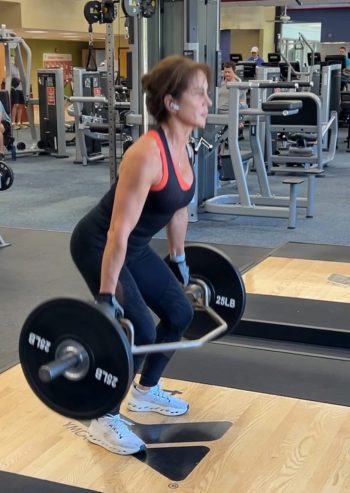
You don’t need to lift heavy or train like an athlete.
You just need enough strength to get off the floor, climb stairs, carry groceries—and keep doing what you love.
Strength = freedom.
And it’s never too late to build it.
✅ What I’m Doing Now
-
Eating 25–30g of protein per meal
-
Adding creatine to my morning smoothie
-
Moving daily—even if it’s just 15 minutes
-
Focusing on strength, not appearance
Final Thought: This Isn’t About “Bulking Up”
It’s about preserving independence.
Staying sharp. Staying upright. Staying you.
Want more strength-first longevity tips?
Subscribe to the Vital Blink newsletter for real-life habits that help you stay strong, sharp, and connected.
#VitalBlink #WhyITakeCreatine #ProteinAfter40 #StrengthAsYouAge #LongevityHabits #NotJustForBodybuilders