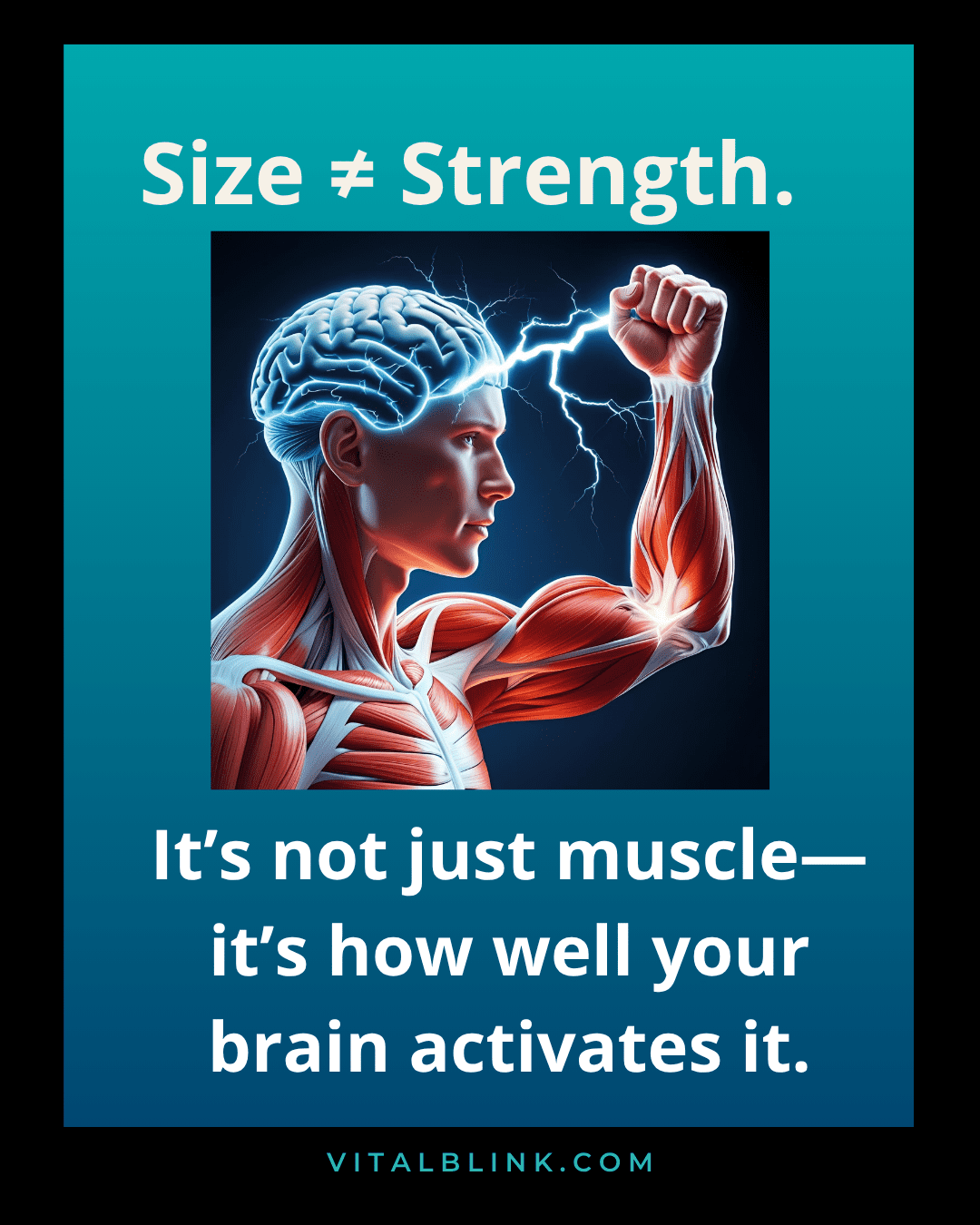




You may have seen posts claiming that a single study “proved women with strong legs have younger brains” or that leg workouts “create new neural stem cells.” These claims spread quickly, but they are not what the research says.
This matters, because when it comes to cognitive health and aging, people deserve clarity, not exaggeration.
❌ What This Study Does NOT Say
- It does not say that stronger legs make your “brain younger.”
- It does not claim that leg workouts create new neural stem cells in humans.
- It does not say leg strength alone prevents cognitive decline.
- It does not claim exercise changes your genetics.
- It does not measure specific myokines or inflammatory markers.
This is important, because misinformation spreads fast — especially when fitness content mixes wishful thinking with science jargon.
Now, here’s what the research does show, and why it matters for healthy aging.
⭐️ What the Study Actually Found (PMID: 26551663)
This 10-year study followed female twins to see whether leg power predicted cognitive aging. Twins make the findings especially strong because shared genetics and upbringing are controlled.
The results were striking:
- The twin with greater leg power at baseline
- Had better cognitive performance 10 years later
- Showed more grey matter volume on MRI
- Had healthier brain activation patterns during cognitive tasks
- And these findings held true even within identical twin pairs
- In short: stronger legs were linked to better cognitive aging, even when genetics were the same.
No hype needed.
This is strong, clean, meaningful science.
⭐️ Why Would Leg Strength Influence Brain Health?
The study did not test why this relationship exists, but decades of exercise physiology research give us several well-supported explanations.
Here are mechanisms supported by broader literature:
1. Improved blood flow to the brain
Large leg muscles require more oxygen and nutrients.
During strength training, circulation increases, which supports cerebral blood flow.
2. Release of myokines from working muscles
When your muscles contract, they release proteins that communicate with the brain.
Some, like irisin and BDNF, support cognitive function, learning, and resilience.
3. Better metabolic health
Stronger muscles improve insulin sensitivity and glucose control.
Both are important for long-term brain function.
4. Support for grey matter volume
Several MRI studies link regular strength training to healthier brain structure, especially in regions tied to memory and executive function.
5. Stability, mobility, and independence
Lower-body strength anchors balance and reduces fall risk — a major concern after 50.
Mobility is one of the strongest indicators of long-term brain and overall health.
None of these mechanisms require hype.
They are practical, well-studied, and make sense.
⭐️ What This Means for Adults Over 50
If you want to protect your cognitive health, lower-body strength is one of your most reliable tools.
You do not need a fancy gym membership or a complicated routine.
You simply need to challenge your leg muscles consistently.
More strength means:
- Better mobility
- Better balance
- Better metabolic health
- More confident movement
- And, as this study shows, potentially better cognitive aging over time
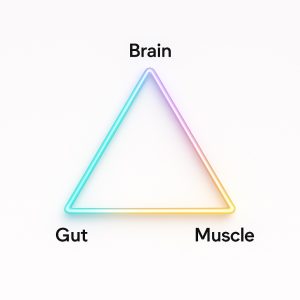
- A stronger body supports a stronger brain.
⭐️ The Takeaway
The twin study didn’t prove miracles, but it did show something important:
your leg strength today may predict how well your brain functions in the years ahead.
For anyone focused on healthspan, this connection is worth paying attention to.
If you want to join us as we continue exploring the science of healthy aging